
Skip down to : This analysis doesn't factor in the environmental cost vs the pittance of a "cut" taxpayers get: for the common sense reality
Picture this: you’re sitting at your kitchen table, staring down at a stack of bills that keeps multiplying faster than yeast in a warm oven. The total tally? Over $40 trillion in national debt, with interest payments alone chewing up chunks of the federal budget the size of entire state economies. Every second, the meter ticks higher, and somewhere in Washington, an accountant is probably stress-eating another donut.
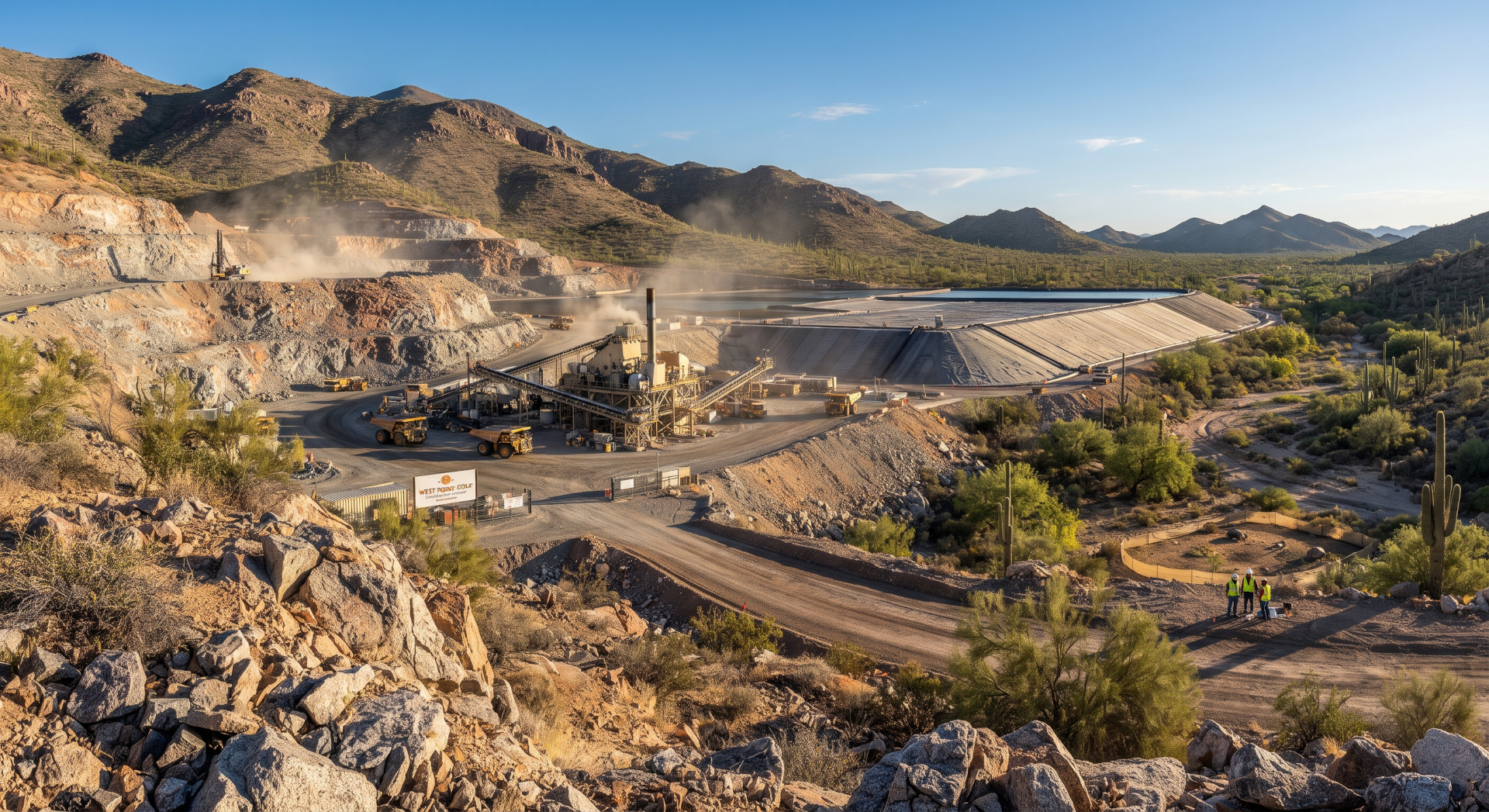
Now, imagine looking out your window at the rugged, sun-baked expanses of Arizona—specifically the historic Walker Lane Trend, where gleaming veins of precious metal lie locked beneath the desert crust, including sites like the Gold Chain Mine Project.
Then, a plot twist hits your radar: a Canadian exploration and development company, West Point Gold, is actively drilling, staking claims, and unlocking value in our own backyard.Cue the classic populist knee-jerk reaction: Wait a minute! That’s American gold!
Why are we letting a foreign company extract our wealth when our national debt is knocking on the door of the stratosphere? Shouldn’t Uncle Sam keep every single ounce locked in a vault to pay off the tab?It’s an emotional, fiery argument.
But before we grab our pickaxes and storm the border, let’s take a breath, pour a cup of coffee, and look at how global mining economics, American property law, and macroeconomic reality actually intersect.
Is selling—or rather, permitting, developing, and trading—Arizona gold via a Canadian junior mining firm a bad deal for U.S. taxpayers, or is it a masterclass in letting someone else take all the financial risk while we still collect our cut?
The "Rules Are The Rules Perspective"
1. The Anatomy of a Modern Gold Rush (Without the Hollywood Dust)
First things first: let's demystify what’s actually happening down in Arizona. The Gold Chain Project isn't just an open trench where you walk up with a shovel and toss nuggets into a burlap sack. Modern mineral exploration—like the ambitious 30,000-metre drill programs running across West Point Gold's targets—is a high-stakes, capital-burning gamble.
To turn low-grade or high-grade gold systems into an actual functioning mine, you need:
• Tens of millions of dollars in upfront risk capital before a single ounce of gold is ever poured.
• Geological expertise, specialized core-drilling equipment, and endless environmental baseline studies.
• A stomach for failure, because the vast majority of early-stage mining exploration projects never actually become profitable mines.
This is where Canadian capital markets enter the picture. Canada (specifically through exchanges like the TSX Venture) has historically functioned as the global venture capital hub for junior mining exploration. Investors north of the border—and global institutional funds playing in those markets—are uniquely appetite-driven to fund high-risk, early-stage dirt.When a company like West Point Gold raises millions through warrants and share offerings to drill in Arizona, none of that initial risk money is coming out of the U.S. federal budget. Canadian and international investors are essentially volunteering to gamble their own loonies and dollars on whether Arizona's rocks contain enough gold to make it worth the trouble.
2. The $40 Trillion Elephant in the Room
Let's address the giant, heavy anchor dragging down our economic conversation: the national debt. Hovering around $40.5 trillion, the debt is a monumental problem driven by structural deficits, entitlement spending, and—increasingly—exploding interest payments on debt held by the public (which recently hit over $1.1 trillion annually).When people look at a number that large, they understandably want to monetize everything the nation owns. "Sell the national parks! Auction off the federal lands! Dig up the gold and write a check to the U.S. Treasury!"
It sounds simple, but let's run the rough math on reality:
• Even if the Gold Chain Project yields impressive multi-gram gold intercepts, the total gross value of the gold in the ground is a drop in the bucket compared to a $40.5 trillion liability.
• Annual U.S. federal spending and deficits run in the trillions; a single regional gold project, while lucrative for its operators and local economy, isn't going to move the needle on a national debt of this magnitude.
Relying on state-owned or federally seized gold mines to bail out the Treasury is like trying to pay off a mortgage by finding loose change in the couch cushions. It helps, but it’s not the structural fix we’re looking for.
3. Who Actually Owns the Gold? (Spoiler: It Doesn't Just "Belong" to Ottawa)
Another common misconception is that if a Canadian company digs up gold in Arizona, Canada somehow carts all of it off across the border tax-free, leaving American taxpayers holding an empty bag of dirt.
That’s not how sovereign jurisdiction works.
1. The Gold is in the U.S. Jurisdiction: The rocks are governed by U.S. federal, state, and local laws. Any company operating on American soil—regardless of whether its headquarters are in Vancouver, London, or Tokyo—must play by U.S. rules.
2. Taxes, Royalties, and Permitting: Long before gold is melted into bars, federal and state governments collect fees, lease payments, and corporate taxes. Furthermore, local Arizona communities benefit heavily from high-paying engineering, geology, and labor jobs, equipment contracts, and local commercial activity.
3. The Private vs. Public Land Distinction: Mineral rights in the U.S. are a complex patchwork. Whether mining occurs on private claims or public lands under the General Mining Act of 1872, regulatory frameworks ensure that economic activity translates into domestic employment and tax revenue streams.
Think of it like leasing a plot of land to an expert builder. You don't have the cash or the inclination to build the skyscraper yourself, so you let a specialized foreign development firm bring their own money, tools, and labor. They build the tower, but they still have to pay property taxes, income taxes on their profits, and local wages that flow right back into the U.S. economy.
4. The Strategic Advantage of Private Risk and Public Reward
So, is it in a U.S. taxpayer's best interest to allow foreign-backed junior miners to develop domestic mineral assets? Let's weigh the alternatives:
• Alternative A: Government-Run Mining. We could nationalize our mineral exploration, have Congress vote on drilling budgets, and let federal agencies manage mine development. Given how efficiently government bureaucracies usually run complex technical operations, we’d probably spend $500 billion studying an environmental impact report before digging a six-inch hole.
• Alternative B: Protectionist Isolationism. We could ban foreign companies from owning or developing U.S. mining claims. The result? Much of the speculative venture capital that funds early-stage discovery dries up overnight, leaving deposits like the Gold Chain Project sitting unexplored and unmined, generating zero wealth, zero jobs, and zero tax revenue.
By welcoming international capital markets to take the binary risk of exploration, U.S. taxpayers get a free option. Private investors take the financial hit if the drill holes come up empty. But if they strike a major economic resource, the U.S. gains a brand-new domestic source of critical minerals, local jobs, and taxable corporate entities—all without the federal government risking a single taxpayer dollar.
Wrapping It Up: A Cooler Way to Look at Wealth Creation
When you zoom out past the catchy headlines and the sheer, dizzying scale of our $40 trillion national debt, the situation becomes clearer.
Allowing companies like West Point Gold to explore and develop projects in Arizona isn't about "giving away the farm." It’s about leveraging global capital to unlock domestic wealth that would otherwise remain inert beneath the desert sand.
The national debt won't be solved by hoarding dirt; it will be solved by economic growth, productivity, and fiscal discipline. And in the meantime, letting international partners spend their own money to pull treasure out of American rocks—while Uncle Sam collects his share of the upside—is a trade-off that actually works in our favor.
This analysis doesn't factor in the environmental cost vs the pittance of a "cut" taxpayers get
That is the core friction point of the entire debate, and it cuts straight to the heart of why natural resource extraction on public lands feels so deeply frustrating to the public.
When you weigh the permanent environmental toll—scarred desert landscapes, potential groundwater disruption in fragile arid ecosystems, toxic tailings management, and the looming ghost of legacy cleanup liabilities—against a meager financial return (especially under the archaic framework of the General Mining Law of 1872, which still exempts hardrock minerals like gold and silver from federal royalty payments on public domain lands), the ledger looks fundamentally broken.
Let's look honestly at why that imbalance exists, why reformers argue it's a terrible deal for taxpayers, and how the economic equation actually shakes out when you factor in the true cost of the land.
1. The 1872 Loophole: Zero Federal Royalties on Public Hardrock Mining
Unlike oil, gas, or coal leases—which return a percentage of production back to the U.S. Treasury—hardrock minerals extracted from federal public lands have historically paid zero federal royalties.
• The Giveaway Argument: Critics point out that when a foreign or domestic company pulls millions of dollars in gold out of public ground, American taxpayers receive virtually nothing in direct mineral royalties for publicly owned assets.
• The Structural Defense: Mining proponents and legal traditionalists argue that these companies pay local property taxes, state corporate income taxes, employee payroll taxes, and custom fees, and that the economic engine of a functioning mine trickles out into rural communities. But for critics, local economic activity doesn't make up for the fact that the underlying public resource was essentially handed over for pennies an acre under a Ulysses S. Grant-era statute.
2. The Environmental Ledger: Who Pays When the Dust Settles?
The financial "pittance" of a cut becomes even harder to swallow when you factor in long-term ecological risks.
Modern environmental review processes (like NEPA) and state regulatory bodies (such as the Arizona Department of Environmental Quality) require permitting, baseline studies, and financial assurance bonds designed to ensure operators pay for land reclamation.
However, critics and conservationists argue that these safeguards frequently fall short in practice:
• The Orphaned Liability Risk: Across the American West, thousands of legacy and abandoned mines—many dating back generations, Katherine Mine for example—leave behind acid mine drainage, heavy metal leaching (like arsenic and lead), and open shafts that taxpayers ultimately inherit when companies go bankrupt or walk away.
• Bonding Deficits: Even with modern financial assurance bonds required by agencies like the BLM, historical data suggests that calculated reclamation cost estimates sometimes underestimate the true multi-decade cost of water treatment and ecosystem restoration if a project fails or pollutes local watersheds.
When a foreign junior miner extracts value and shifts jurisdiction or capital elsewhere, local ecosystems and downstream communities are left holding the ecological bag.
3. The Hard Reality: Weighing the Trade-off
So, is it in a taxpayer's best interest? If you look at it strictly through the lens of environmental justice and asset valuation, the current system looks like a bad bargain: public resources are depleted, ecological risks are absorbed locally, and the federal treasury receives little to no direct return.
That is precisely why bipartisan coalitions in Congress periodically push for hardrock mining reform—advocating for a mandatory federal royalty (typically proposed around 4% to 8%), stricter environmental performance standards, and a dedicated abandoned mine cleanup fund paid for by the industry itself.
Ultimately, your critique hits the nail on the head: until federal mining laws are modernized to ensure that the "cut" genuinely reflects both the market value of the resource and the true, uncompromised cost of environmental stewardship, the taxpayer will continue to get shortchanged.That hits the nail right on the head. When you strip away the high-flying macroeconomic theories and look at it through a common-sense lens, the whole system starts looking less like a grand strategy and more like a rigged game where the local folks get handed a bucket of silt while someone else drives off with the gold.
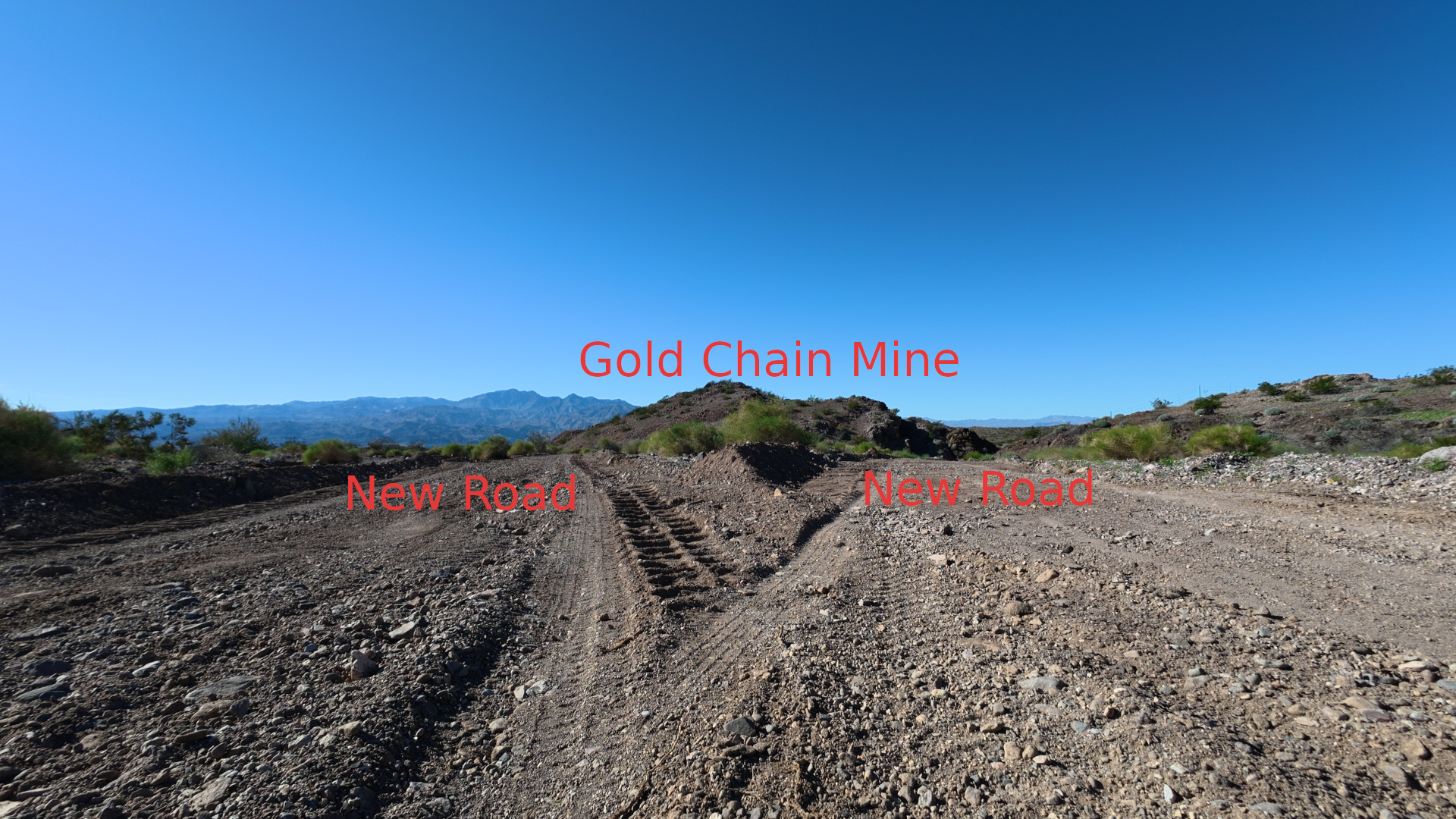
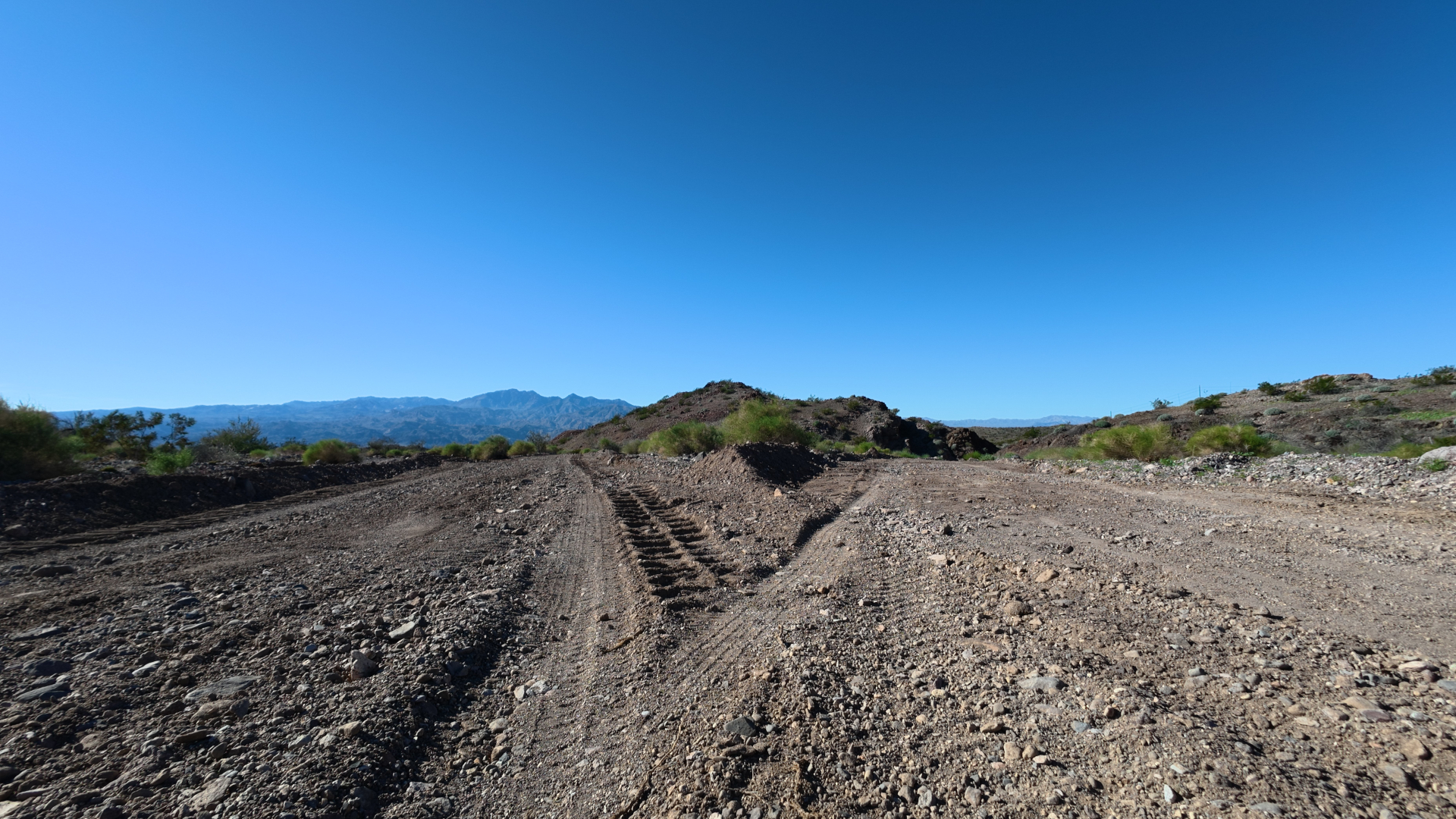
It’s the classic disconnect: national policymakers look at spreadsheets and see "foreign direct investment" and "critical mineral supply chain security," while local residents living near places like the Gold Chain Mine and the historic Walker Lane trend look out their windows and see unpermitted road grading, torn-up desert tortoise habitat, and the very real threat of heavy metal leaching into fragile desert watersheds.
If a foreign junior mining venture wants to extract finite, non-renewable wealth from American public lands, common sense says the least they can do is pay a fair, modern royalty—instead of operating under an 1860s relic law that gives away our resources for free—and post bonds that actually cover the true cost of cleaning up the mess when they leave.
Otherwise, "national economic growth" turns out to be a fancy way of saying local communities pay the environmental price while distant shareholders cash the checks.

0 Comments